


Table of Contents
The generation of the delivery receipt was traditionally a manual process that delayed billing times. This situation especially affected companies dedicated to Last Mile services.
This business profile depends on both delivery efficiency and the closing of operations. Therefore, digitization is required for payments to be processed quickly and accurately.
By integrating technology into delivery receipt management, companies can reduce bottlenecks and accelerate the billing cycle. Additionally, it promotes greater clarity in information and response times.
Keep reading to discover how to implement strategies and tools like Fielder, which simplifies the digitization of delivery receipts. Also, improve your company’s billing process and boost your financial efficiency.
Common Challenges with Delivery Receipts
Common challenges in delivery receipt management are primarily a consequence of dependence on manual processes. These highlight the need to implement technological solutions.
- Manual errors
Being a process that often involves data capture, human errors multiply. Incorrect records, lost documents, or missing signatures can occur. All of this delays service validation.
- Verification delays
Verification of delivery receipts is usually a lengthy process. Especially if the information must pass through several departments or if customers have to manually approve the receipt of services.
- Lack of traceability
The lack of centralized systems makes it difficult to track the status of the receipt. When this happens, confusion is generated about whether the service has been confirmed, delivered, or is pending collection.
- Reconciliation difficulties
Reconciliation between the service provided and payment can be complicated; even more so if there is no clear management of the delivery receipt. This delays collection and affects cash flow.
Best Practices to Optimize Delivery Receipts
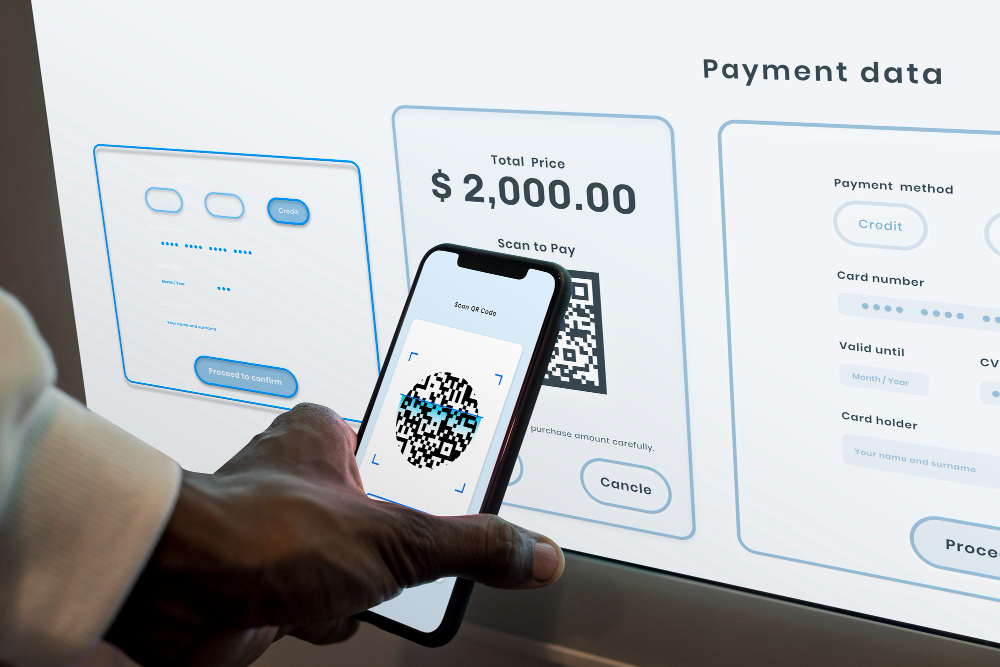
Implementing practices to optimize delivery receipts has various advantages. For example, it improves the visibility of services rendered and reduces the administrative burden. This results in greater financial and operational control.
When service companies adopt these practices, they improve their accuracy; especially in Last Mile companies. Additionally, they streamline the handling of all documentation, accelerating the billing process.
What are these best practices for optimizing delivery receipts? We detail them below.
Process digitization
Automating the delivery receipt through a digital solution eliminates the problems associated with manual document handling. It is essential to implement systems that allow digital capture and signature.
This implementation helps reduce human errors, improves data accuracy, and ensures that all information is available in real time. With the use of tools, information accessibility is facilitated at any time.
Management system integration
It is essential that the delivery receipt system is integrated with other management platforms, such as ERP or CRM. This allows data to flow automatically between departments.
When different tools are integrated, the need for multiple manual entries is eliminated. Likewise, the risk of information discrepancies is reduced. Consequently, the reconciliation process is facilitated.
Use of mobile technology
Equipping field employees with mobile devices allows delivery receipts to be completed and signed on the spot. This way, the need to wait for the return to the operations base is avoided.
Traceability and real-time tracking
With a system that allows real-time tracking of the status of delivery receipts, delays are avoided. Similarly, real-time access to delivery data allows for a more agile response to any issue.
Report generation and analysis
Reports help identify patterns: recurring delays, common errors, or customers who systematically delay service validation. With the analysis of this data, companies can adjust processes.
Staff training
It is essential that staff handling delivery receipts are well-trained in the use of new digital tools. This ensures a smooth transition to the digital system, which directly impacts their efficiency.
How Fielder Can Help

Fielder offers a comprehensive solution for optimizing the billing process through the digitization and real-time management of delivery receipts for technical and delivery services.
The Fielder app allows companies to automate the generation, storage, and tracking of receipts. This way, paperwork and manual processes that typically slow down the billing cycle are eliminated.
With receipt digitization, Fielder ensures accurate and fast information capture that is instantly available for review and reconciliation. Additionally, the platform offers real-time visibility on the status of each delivery.
Conclusion
In the Last Mile, every detail counts to offer a flawless experience. In this context, delivery receipts are the guarantee in operational management because they allow streamlining billing processes.
The ability to manage these receipts digitally and in real time makes the difference. Not only for optimizing operations and reducing costs, but also for improving competitiveness.
Fielder understands these needs and offers a platform that digitizes and optimizes receipt management in real time. By integrating Fielder, you can transform the entire billing process.
Discover how our platform can simplify and elevate your last mile management. Optimize your deliveries, request a consultation now!
You may also be interested in:
Process Digitization: Solution to the Efficiency Challenge in Large and Complex Service Operations
Real-time Data Visualization: Key to Efficiency in the Last Mile
How to Control Activity Tracking and Positively Impact Operational Management